
Sudden Panic in Perimenopause: Causes, Triggers & What to Do
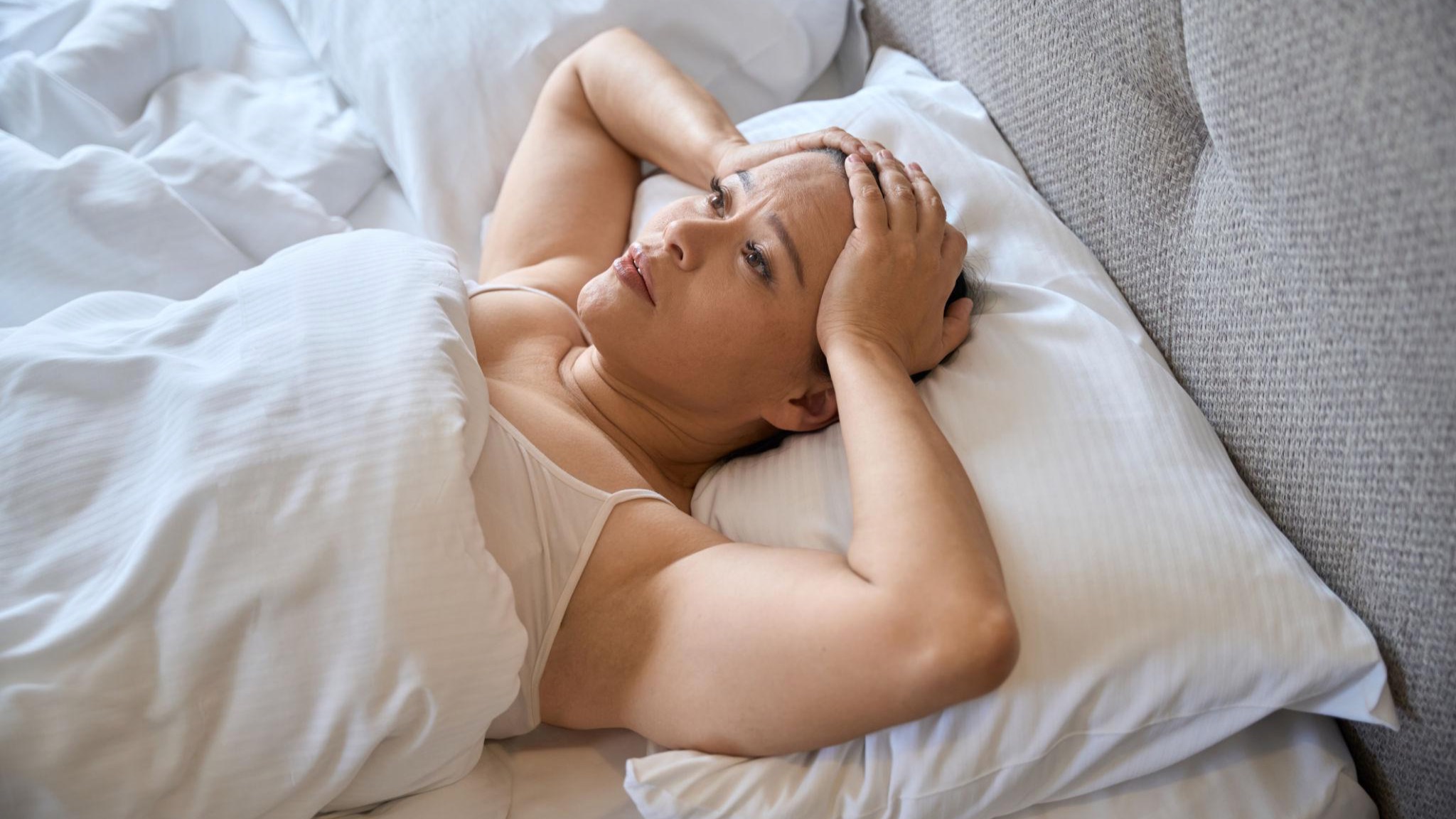
If you’ve recently started experiencing panic, anxiety or a sense of overwhelm, and it feels like it’s come out of nowhere, you’re not imagining it.
One of the most common things I hear from women in their 40s is:
“I’ve never had anxiety before… why is this happening now?”
For some, it shows up as a racing heart at night.
For others, it’s a sudden wave of panic while driving, at work, or even when things are relatively calm.
It can feel frightening. And often, it doesn’t make sense.
But here’s what I want you to know.
Panic in perimenopause is very common, and it’s often driven by real physical changes in the body.
What Panic Can Feel Like in Midlife
Panic doesn’t always look the way people expect.
You might notice:
A racing or pounding heart
Shortness of breath or feeling like you can’t get enough air
Dizziness or lightheadedness
A sudden sense of dread or fear
Feeling overwhelmed by things that never used to bother you
Waking in the night with anxiety, often between 2 and 4am
Some women describe it as feeling constantly on edge, or like their body is stuck in stress mode.
If this sounds familiar, you’re not alone.
Why Panic Can Start in Your 40s
Perimenopause is a time of significant change across multiple systems in the body.
Hormones begin to fluctuate.
Sleep can become more disrupted.
Stress tolerance often reduces.
What I see clinically is that panic is rarely caused by one single factor.
It is usually a combination of underlying drivers that build over time.
The 3 Most Common Drivers of Panic in Menopause
1. Hormones, Brain Chemistry and Adrenaline
As estrogen and progesterone fluctuate, they directly affect the brain and nervous system.
This can increase sensitivity to stress and make the body more reactive.
At the same time, factors like blood sugar instability and cortisol changes can trigger adrenaline surges, which feel like panic.
2. Sleep, Oxygen and Night-Time Panic
If your symptoms are worse at night or on waking, sleep quality and breathing patterns may be playing a role.
During menopause, the risk of sleep-disordered breathing increases.
Changes in oxygen levels during sleep can trigger adrenaline, leading to:
Night waking
A racing heart
Panic or anxiety
Night sweats
This is often overlooked, but it can be a key piece of the puzzle.
3. Nervous System Overload
By midlife, many women are running on a high stress load.
At the same time, hormonal changes reduce your ability to buffer that stress.
This can leave the nervous system in a heightened state, where it is harder to switch into calm mode.
You may feel constantly on edge, easily overwhelmed, or unable to fully relax.
When Should You Look Deeper?
While panic can be part of the menopausal transition, it is important to explore what may be driving it.
Especially if:
It is new or worsening
It is affecting your sleep
It feels intense or unpredictable
You are also experiencing fatigue, brain fog or heart palpitations
Panic is not a diagnosis.
It is a signal that something in the body needs support.
What You Can Do Right Now
If you’re in the middle of this, start simple.
Eat regularly to support blood sugar stability
Reduce caffeine, especially if symptoms are new
Prioritise sleep and notice any patterns, particularly at night
Support your nervous system with gentle, consistent practices
Small changes, when targeted correctly, can make a meaningful difference.
A Different Way to Understand Panic
Panic in midlife is often misunderstood.
It is not a sign that something is wrong with you.
It is often a reflection of changes in your hormones, sleep, breathing and nervous system.
When you understand what is driving it, you can begin to support your body in a much more effective way.
Final Thoughts
If you’ve found yourself dealing with panic in your 40s or 50s, especially if it feels new or unexpected, there is usually a reason.
And more importantly, there are ways to work with your body to improve how you feel.
You don’t need to push through it or ignore it.
You can understand it, support it, and start to feel like yourself again.
Frequently Asked Questions About Panic in Perimenopause
Is panic a symptom of perimenopause?
Yes, panic and anxiety can absolutely be symptoms of perimenopause.
Hormonal changes affect brain chemistry, stress hormones and the nervous system. As estrogen and progesterone fluctuate, the body can become more reactive, making feelings of anxiety or panic more likely.
For some women, this is the first time they have ever experienced these symptoms.
Why am I suddenly having panic attacks in my 40s?
This is very common and often linked to the changes happening during perimenopause.
Hormonal fluctuations can lower your tolerance to stress. At the same time, factors like poor sleep, blood sugar instability and increased cortisol can trigger adrenaline surges.
These adrenaline surges are what create the physical feeling of a panic attack.
Can menopause cause panic attacks at night?
Yes, night-time panic is very common in menopause.
It can be linked to several factors, including:
Hormonal changes
Blood sugar drops overnight
Sleep disruption
Changes in breathing or oxygen levels during sleep
If you are waking between 2 and 4am with a racing heart or anxiety, it is worth exploring what may be happening during the night.
Can low oxygen during sleep cause panic attacks?
Yes, changes in breathing during sleep can trigger panic-like symptoms.
If oxygen levels drop, the body responds by releasing adrenaline to wake you and restore breathing. This can feel like a sudden panic attack, particularly at night or in the early morning.
This is one of the more overlooked drivers of anxiety in menopause.
Are night sweats linked to panic or anxiety?
They can be.
While night sweats are often associated with hormonal changes, they can also be linked to adrenaline surges.
In some cases, what feels like a night sweat may be part of a stress response triggered by changes in breathing or oxygen levels during sleep.
How do I know if my panic is hormonal or something else?
In many cases, it is not just one thing.
Panic in menopause is often driven by a combination of hormonal changes, sleep quality, blood sugar balance and nervous system load.
Looking at patterns can help.
If symptoms are worse at night, on waking, or around periods of stress or irregular eating, these can provide clues about what is driving them.
When should I seek help for panic symptoms?
It is important to seek support if:
Your symptoms are new or worsening
They are affecting your sleep or daily life
They feel intense or unpredictable
You are also experiencing fatigue, brain fog or heart palpitations
Panic is a signal that your body needs support, and you do not have to manage it on your own.
What helps reduce panic in perimenopause?
Support needs to be tailored to the individual, but some helpful starting points include:
Eating regularly to stabilise blood sugar
Prioritising sleep and recovery
Reducing stimulants such as caffeine
Supporting the nervous system with gentle, consistent practices
Exploring underlying drivers such as hormones, breathing and stress load
Addressing the root cause is key to long-term improvement.
Author

Jennifer Harrington
Clinical Director
Menopause Specialist, Naturopath, Nutritionist, Medical Herbalist
Stay connected with news and updates!
Recent Posts
