
Musculoskeletal Syndrome of Menopause: A Natural Guide to Stronger Bones, Muscles and Joints
Why your body may feel different in midlife, and what you can do to support it naturally.
A Naturopath's Guide to Supporting Your Body Through Midlife
With over 23 years of clinical experience, naturopath Jennifer Harrington explores how hormona...
Menopause Joint and Muscle Pain: Can Natural Supplements Help?
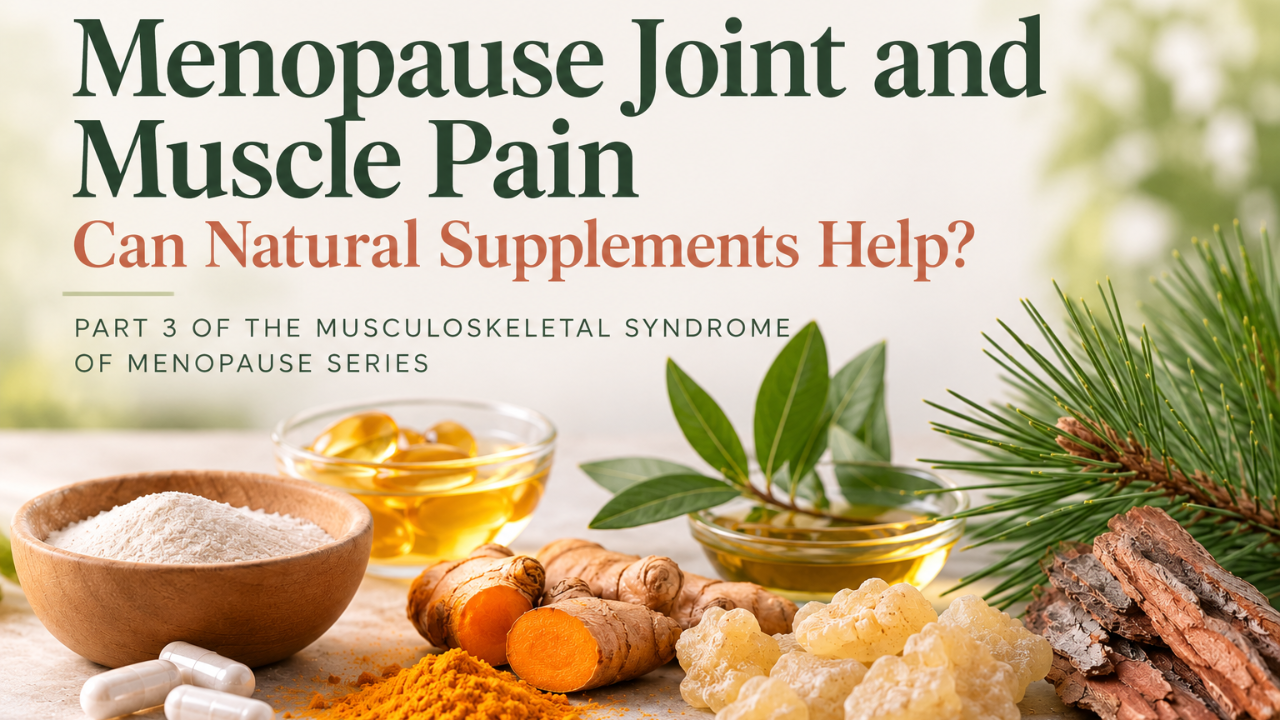
Part 3 of the Musculoskeletal Syndrome of Menopause Series
Joint pain, stiffness and muscle aches can become more noticeable during perimenopause and menopause.
In Part 1 of this series, we explored Musculoskeletal Syndrome of Menopause (MSM) an...
“Menopause Joint & Muscle Pain: What Helps Beyond Exercise?”

If your body has started feeling stiffer, sorer or slower to recover through perimenopause or menopause, you're not imagining it.
In our first article in this series, Musculoskeletal Syndrome of Menopause: Why Does My Body Hurt?, we explored the ...
Musculoskeletal Syndrome of Menopause: Why Does My Body Hurt?
Have you reached your 40s or 50s and suddenly found yourself waking up feeling stiff, achy or sore?
Perhaps your knees complain when you get up from the couch. Your shoulders feel stiff in the morning. Your feet hurt when you first get out of bed...
Grip Strength: A Simple Test With Powerful Insights for Midlife Women
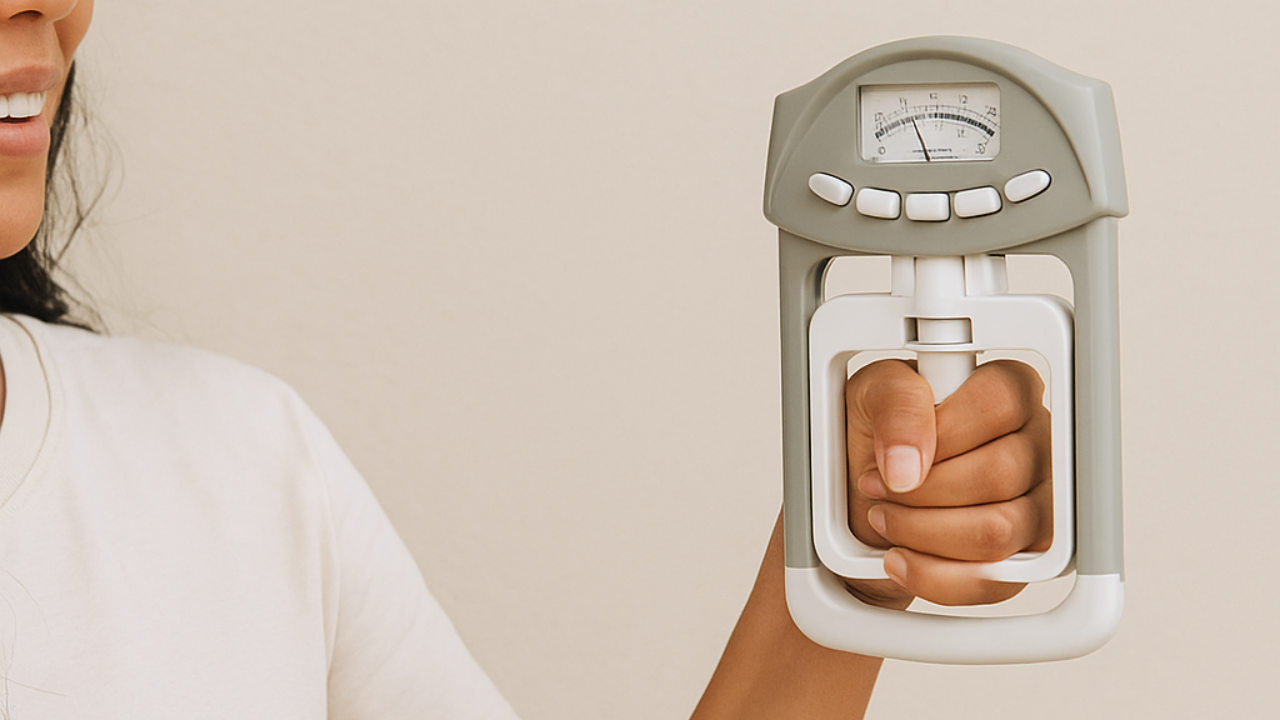
When most women think about tracking their health, they think of blood pressure, weight, or cholesterol levels. But there’s another powerful, often-overlooked marker that offers a clear window into your vitality, longevity, and functional strength: g...
Understanding Body Composition Changes at Midlife

For many women, midlife is a time when the body feels like it’s changing shape, often without any major change in diet or exercise. Weight may seem harder to manage, muscle tone can fade, and bones and joints may feel more fragile. These shifts ar...
The Importance of Amino Acids for Aging Muscle

As we age, maintaining muscle health becomes increasingly important for preserving mobility, strength, and overall quality of life. Amino acids, the building blocks of proteins, play a crucial role in maintaining and enhancing muscle health, especial...
Walking for Menopause Symptom Relief

Regular physical activity, such as walking, can have several positive effects on overall health, including potential benefits for the menopausal transition.
Why walking? Because walking is free, available everywhere, and has a really low risk of inj...
Glycine: A Powerful Amino Acid for Midlife Women's Health

Glycine, classified as a non-essential amino acid, holds significant importance for women navigating the challenges of midlife. While the body can produce some glycine, my clinical experience reveals that many women may not produce sufficient amou...
Laughter as Medicine in Menopause

Did you know it is thought that the average child laughs about 400 times a day, but the average adult only laughs about 15 times a day? I think George Burns said it best when he said
“You don’t stop laughing because you grow old, you grow old beca...
Author

Jennifer Harrington
Clinical Director
Menopause Specialist, Naturopath, Nutritionist, Medical Herbalist
Stay connected with news and updates!
Recent Posts
