
Sleep Apnoea in Menopause: The Overlooked Driver of Fatigue, Panic, Night Sweats and more...
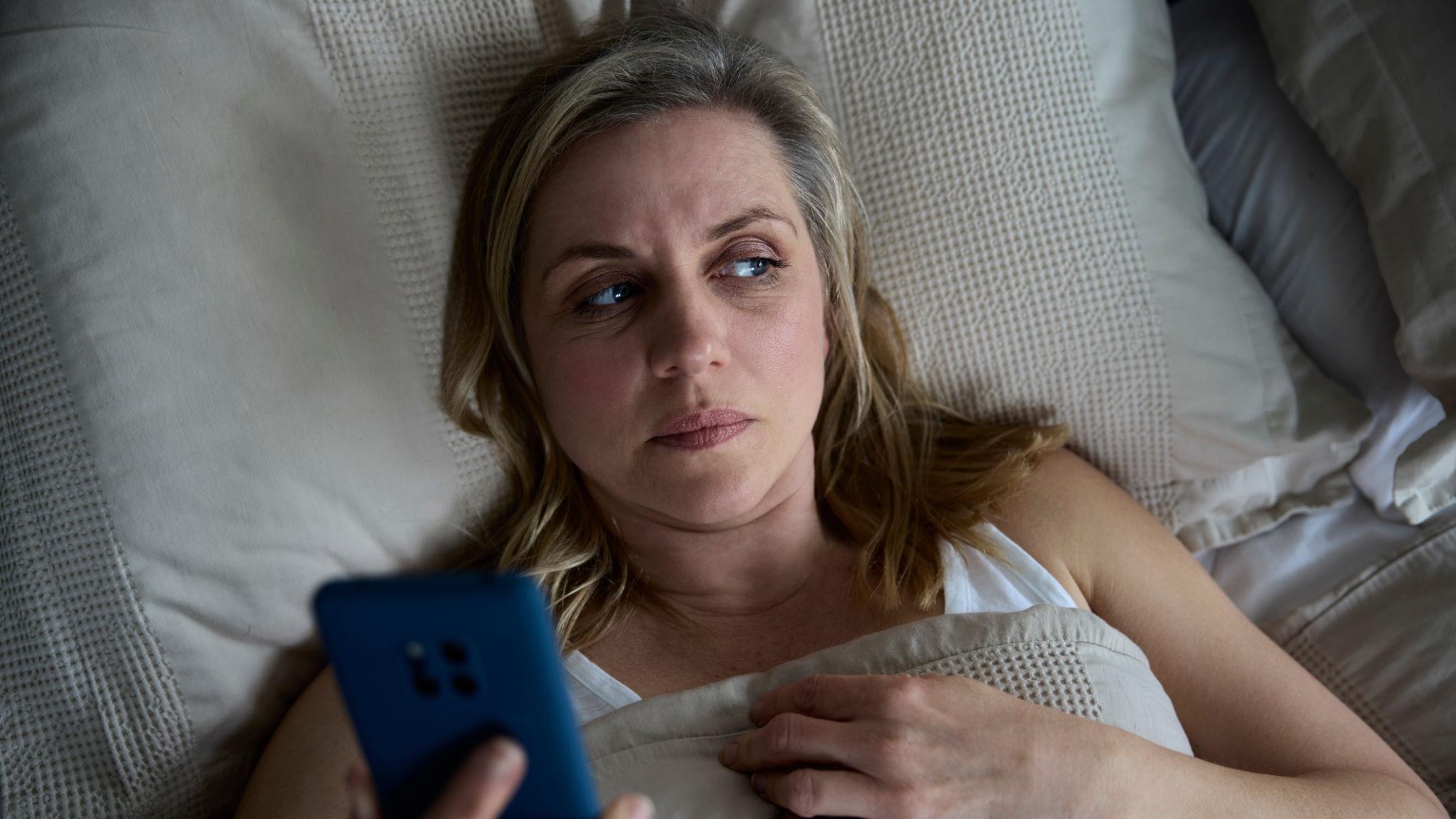
If you’re waking in the early hours with a racing heart…
Feeling exhausted despite getting “enough” sleep…
Or noticing anxiety that seems worse at night or first thing in the morning…
There’s something important to consider:
Could it be your breathing during sleep?
Why Sleep Apnoea Increases During Menopause
Sleep apnoea is a condition where breathing becomes restricted or pauses during sleep, reducing oxygen supply to the body.
It becomes significantly more common during the menopausal transition.
This is largely driven by three key shifts:
Hormonal changes
Estrogen and progesterone help maintain airway tone and support stable breathing. As these decline, the airway becomes more prone to collapse during sleep.
Changes in body composition
Midlife often brings changes in fat distribution and muscle tone, including around the neck and upper airway, increasing the likelihood of obstruction.
Sleep and nervous system disruption
Menopause already impacts sleep quality, circadian rhythm and stress response. When breathing instability is layered on top, sleep becomes even more fragmented.
Why It’s Often Missed
Sleep apnoea is still commonly associated with loud snoring and obvious breathing pauses.
But many women don’t present this way. Instead, it often shows up as fatigue, insomnia, anxiety or brain fog. Symptoms that are frequently attributed to hormones or stress, rather than breathing.
What It Can Feel Like
Rather than focusing on what’s happening in the airway, most women experience the downstream effects.
Common patterns include:
During the night
- Waking suddenly, often between 2–4am
- A sense of alertness or a racing heart
- Restless, unrefreshing sleep
- Night sweats
During the day
- Ongoing fatigue
- Poor concentration
- Reduced resilience to stress
- Low motivation
- Cravings for sugar and comfort foods
A common description I hear is:
“I feel tired, but wired at the same time.”
The Panic Connection
One of the most important links to understand is the relationship between breathing and the nervous system.
When oxygen levels drop during sleep, the brain interprets this as a threat. In response, it activates a stress signal to wake the body and restore breathing. Adrenaline is released, heart rate increases, and the body can shift suddenly into a more alert state, often accompanied by a feeling of heat or sweating.
Over time, this can create a recognisable pattern. Waking suddenly in the night with a jolt. Feeling anxious first thing in the morning. Or noticing a lower threshold for stress during the day.
In some cases, what feels like anxiety or panic may actually be driven by repeated overnight stress responses.
If you’ve experienced sudden or unexplained panic during perimenopause, I explore this in more detail in my article Sudden Panic in Perimenopause: Causes, Triggers & What to Do.
Associated Health Patterns
Sleep apnoea can influence multiple systems in the body.
It is commonly linked with:
- Poor sleep quality
- Fatigue
- Cognitive changes and brain fog
- Headaches
- Mood instability
- Increased cardiovascular and metabolic risk
This is why sleep apnoea is increasingly being recognised as a whole-body condition, not just a sleep issue.
What Can Be Done
The first step is recognising the pattern.
If this picture feels familiar, it’s worth looking a little deeper.
Testing
A sleep study (home-based or in-clinic) can assess breathing patterns overnight.
Lifestyle and environmental factors
Alcohol, nasal congestion, sleeping position, and weight changes can all influence airway function. Environmental factors such as allergens, air quality, and exposure to irritants can contribute to airway inflammation and restriction, particularly during sleep. Chronic exposure to mould or damp environments may further aggravate this by driving inflammatory and immune responses that affect the sinuses and upper airway.
Breathing and airway support
Improving nasal breathing and addressing structural, oral or sinus issues can make a meaningful difference. The position of the jaw, tongue and palate also plays a role in keeping the airway open during sleep, and oral factors such as a narrow palate, tongue posture or dental alignment can contribute to airway restriction and sleep apnoea.
Sleep and nervous system support
Stabilising circadian rhythm and supporting deeper sleep phases can help regulate the system overall. Reducing evening cortisol, improving sleep consistency, and supporting parasympathetic activity can help lower overnight stress responses and create a more stable, restorative sleep pattern. For more information about sleep you may enjoy this article Sleep Solutions for the Menopausal Transition
Targeted treatment
In some cases, devices such as CPAP or oral appliances are required and can be highly effective. Depending on the underlying drivers, other options may also be considered, including airway-focused dental approaches such as ALF (Advanced Lightwire Functional) appliances, mandibular advancement splints, and therapies that support structural and functional airway improvement over time.
If you’re reading this and recognising yourself in these patterns, this is something worth exploring properly. Identifying it early can make a significant difference to energy, mood and long-term health.
FAQ
Is sleep apnoea common during menopause?
Yes. The risk increases during and after menopause due to hormonal and physiological changes.
Do you have to snore to have sleep apnoea?
No. Many women do not present with obvious snoring and instead experience fatigue, insomnia and mood changes.
Can it contribute to anxiety or panic?
Yes. Changes in oxygen levels during sleep can activate the stress response and contribute to symptoms that feel like anxiety.
How is it diagnosed?
Through a sleep study, either at home or in a clinic.
Does treatment help?
In many cases, yes. Addressing sleep apnoea can improve sleep quality, energy, mood and cognitive function.
Final Thought
Sleep apnoea is often overlooked in midlife women.
Not because it’s rare.
But because it doesn’t always look the way we expect.
If you’re dealing with fatigue, poor sleep or unexplained anxiety…
It may be worth considering that the issue isn’t just hormonal.
It may be happening while you sleep.
Author

Jennifer Harrington
Clinical Director
Menopause Specialist, Naturopath, Nutritionist, Medical Herbalist
Stay connected with news and updates!
Recent Posts
