
Internal Vibrations During Menopause: Why You Feel Like You're Buzzing Inside
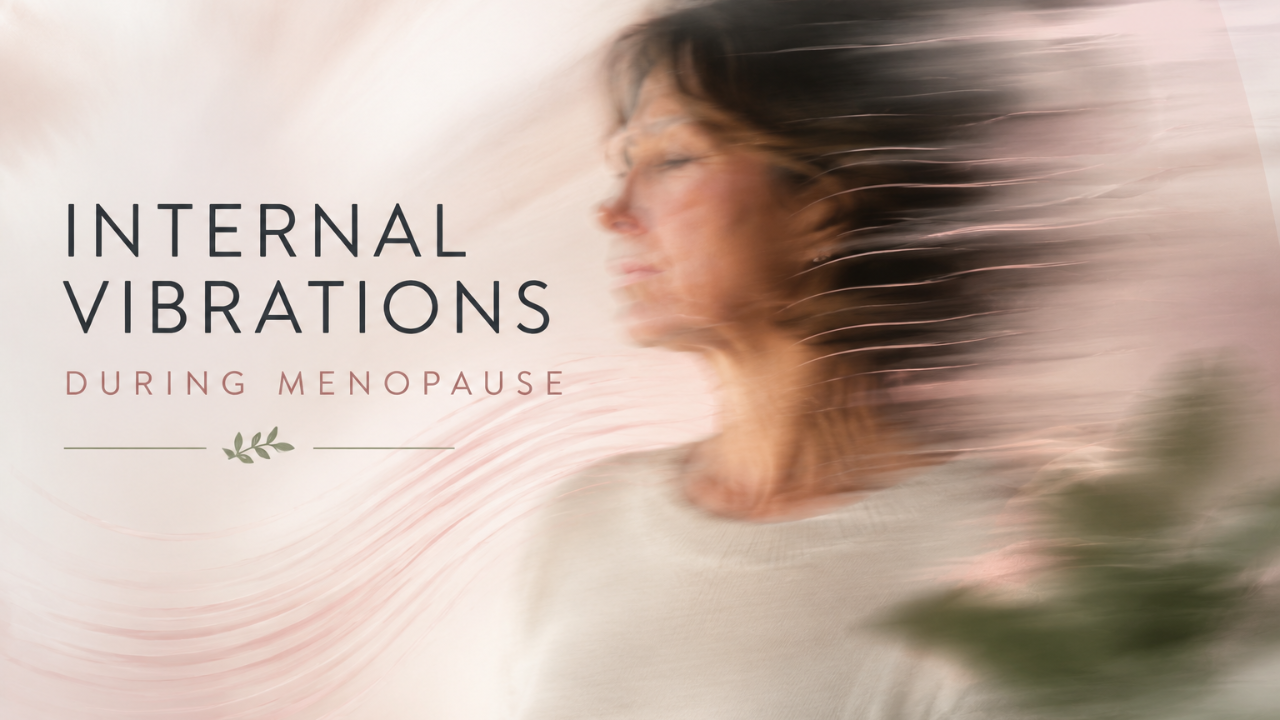
Have you ever felt like your body is vibrating, buzzing or shaking internally, even though nothing is visibly moving?
Many women describe it as feeling like a mobile phone vibrating inside their chest, legs or abdomen. Others describe an internal tremor, humming or electrical sensation that seems to come from nowhere.
It can be unsettling and even frightening, especially when medical tests come back normal.
Internal vibrations are a symptom commonly reported by many women during perimenopause and menopause.
Why do internal vibrations happen during menopause?
During the menopausal transition, fluctuating oestrogen and progesterone affect much more than your reproductive system. They also influence your brain, nervous system and muscles.
As hormone levels become less predictable, the nervous system can become more reactive, leaving you feeling "switched on" even when you're trying to rest.
Hormonal fluctuations may also increase adrenaline sensitivity. Even small surges of adrenaline can create sensations of internal shaking, buzzing or trembling, despite there being no visible movement.
Many women notice these sensations are most obvious when they lie down to rest or wake during the night. With fewer distractions, the brain becomes more aware of subtle sensations, while overnight changes in adrenaline, cortisol and blood sugar may also play a role.
Could it be your nervous system?
One of the most common patterns I see in clinic is an overloaded nervous system.
Years of chronic stress, poor sleep, inflammation, blood sugar instability and hormonal fluctuations can leave the body stuck in a heightened "fight or flight" state.
When this happens, the nervous system may generate unusual sensations, including internal vibrations, even though there is no structural problem.
Think of it as your nervous system becoming overly sensitive rather than damaged.
Other possible contributors
While menopause can certainly play a role, it's important not to assume hormones are the only cause.
Other factors that may contribute include:
-
Overactive thyroid (hyperthyroidism)
-
Vitamin B12 deficiency
-
Low magnesium
-
Iron deficiency
-
Blood sugar fluctuations
-
Electrolyte imbalances or dehydration
-
Medication side effects, including some asthma medications, antidepressants and stimulant medications prescribed for ADHD
-
Long COVID or post-viral syndromes
-
Essential tremor or other neurological conditions
-
Anxiety and chronic stress
As many women are first diagnosed with ADHD during the menopausal transition, it's not uncommon for new symptoms to coincide with starting stimulant medication. If your symptoms began after commencing a new medication, discuss them with your prescribing healthcare practitioner rather than stopping the medication yourself.
If your symptoms are new, severe, progressively worsening, or are accompanied by persistent palpitations, muscle weakness, weight loss or significant tremor, it's important to speak with your healthcare practitioner to rule out other medical causes.
What may help?
Supporting the nervous system is often the most effective place to start.
Simple strategies include:
-
Prioritise restorative sleep.
-
Eat enough protein and stabilise blood sugar throughout the day.
-
Stay well hydrated and maintain adequate electrolytes. Sodium, potassium and magnesium are essential for healthy nerve signalling, muscle function and fluid balance. Many women become mildly dehydrated during midlife, particularly if they're experiencing hot flushes, exercising regularly or drinking large amounts of caffeine.
-
Reduce excess caffeine and alcohol if they trigger your symptoms.
-
Correct nutritional deficiencies such as magnesium, vitamin B12 and iron where appropriate.
-
Practise daily nervous system regulation through breathing exercises, meditation or gentle movement.
-
Explore gentle nervous system practices such as Qigong, Tai Chi or intentional shaking. Many women find these calming movements help reduce feelings of internal buzzing, improve body awareness and encourage the nervous system to shift out of a constant "fight or flight" state.
-
Build regular recovery time into your week instead of constantly pushing through.
In clinic, I also assess whether inflammation, digestive dysfunction, toxin exposure, infections or chronic conditions may be contributing to an overactive nervous system.
The bottom line
Although internal vibrations can feel alarming, they don't necessarily indicate a serious neurological condition. For many women, they are a sign that the nervous system is under pressure rather than an indication that something is seriously wrong.
By addressing hormonal changes alongside sleep, nutrition, hydration, stress, inflammation and overall nervous system health, these sensations often become far less frequent and much less intense.
If you're experiencing internal buzzing or vibrations during menopause, don't ignore it, but don't panic either. A personalised assessment can help identify what's driving your symptoms and create a plan to help your nervous system feel calm, resilient and balanced again.
Frequently Asked Questions
Can menopause cause internal vibrations?
Yes. Many women report internal buzzing, trembling or vibrating sensations during perimenopause and menopause. Fluctuating hormones can affect the nervous system, making it more reactive and sensitive.
Are internal vibrations dangerous?
Usually not, but they should always be discussed with your healthcare practitioner, particularly if they are new, severe, progressively worsening or associated with muscle weakness, significant tremor or other neurological symptoms.
Can electrolytes help?
If dehydration or an electrolyte imbalance is contributing, restoring adequate sodium, potassium and magnesium may help support healthy nerve and muscle function. Electrolytes work best alongside good hydration, balanced nutrition and addressing any underlying causes.
Author

Jennifer Harrington
Clinical Director
Menopause Specialist, Naturopath, Nutritionist, Medical Herbalist
Stay connected with news and updates!
Recent Posts
